As wildlife tourism faces growing local opposition, it’s important to review what guides the safari gaze, how it is perceived, and who it supports

The safari gaze commodifies wildlife as non-human labour, fueling capital and power for the state, institutions, and individuals

The article was published in Down to Earth

Continue reading

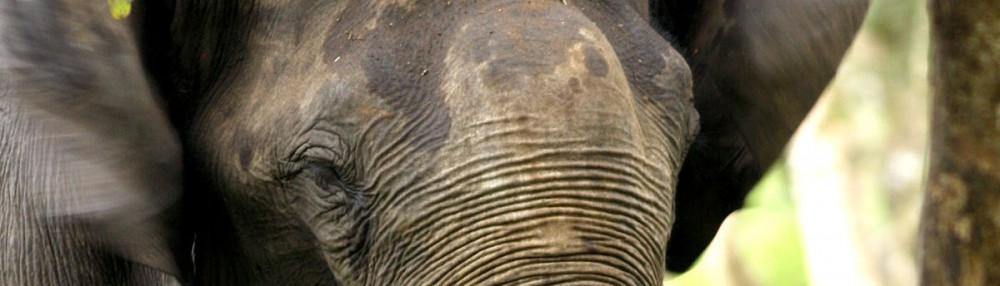
The Dubare Elephant Camp tragedy exposes a deeper crisis

This avoidable incident in Karnataka points to complex issues that require further analysis and action

The article was published in The Down to Earth

https://www.downtoearth.org.in/wildlife-biodiversity/the-dubare-elephant-camp-tragedy-exposes-a-deeper-crisis

Continue reading

Conservation must protect its most proactive stakeholder, tribals

Currently, tribals facing intense human-wildlife conflicts are protesting unscientific development projects across India. Conservation strategies must support and include these actors responsible for long-term solutions.

The article was published in Down to Earth

Continue reading

A failed strategy stuck on repeat

The op-ed was published in The Deccan Herald

The escalating human-elephant interactions in Karnataka have become a significant concern. It’s now even more crucial to question the effectiveness of our persistent actions and reevaluate our conflict mitigation practices and solutions to this crisis. 

Continue reading

Re-thinking human-elephant conflict

From seeking assistance from hula parties to using firecrackers and vehicles to drive away animals, the long-term negative impacts of the most widely used confrontational methods for mitigating human-elephant interactions in India are being overlooked

The article was published in the Down to Earth

Continue reading